

Best Camping Gear for Multi Day Hikes: 2026 List
Table of Contents
- Quick Comparison: Best Camping Gear for Multi Day Hikes
- Backpacking Gear Checklist: What Belongs in Every Pack
- Packs and Load Carrying for Multi Day Hikes
- Shelter and Sleep Systems That Hold Up Overnight
- Backpacking Cooking Gear and Water Treatment
- Lightweight Backpacking Gear: Where Ounces Actually Matter
- 3-Day Backpacking Checklist: Sizing Your Kit to Trip Length
- Conclusion: Building a Kit That Lasts
- Frequently Asked Questions
Last Updated: October 9, 2026
Quick Comparison: Best Camping Gear for Multi Day Hikes
The best camping gear for multi day hikes balances weight, weather protection, and durability, because every ounce you carry repeats itself with every step. Below, we break down what belongs in your pack, where weight actually matters, and how to size a kit to your route.
Packing for a multi-day hike is less about buying the most gear and more about buying the right gear. A 3-day trip and a 7-day trip demand different loadouts, and a summer ridge walk demands different insulation than a shoulder-season traverse.
| Category | Our Pick | Weight Class | Price | Best For |
|---|---|---|---|---|
| Shelter | Naturehike Star Trail EXT Tent | Ultralight | $207.99 | Four-season trips |
| Shelter (budget) | Night Cat 2-Person Tent | Lightweight | $86.99 | Three-season trips |
| Sleep | Naturehike R4.6 Sleeping Pad | Ultralight | $110.99 | Most conditions |
| Sleep (cold) | Naturehike R5.8 Sleeping Pad | Ultralight | $166.99 | Cold-weather trips |
| Pack (large) | Night Cat 70-90L Backpack | Standard | $100.99 | Multi-day loads |
| Pack (day) | Naturehike 18L Nylon Backpack | Ultralight | $39.99 | Summits and side trips |
| Cooking | Widesea Cookware Set | Compact | $41.99 | Two-person meals |
| Lighting | TrustFire MC12 Headlamp | Compact | $55.99 | Camp and trail |
| Support | OKHEALING Trekking Poles | Ultralight | $51.99 | Steep descents |
| Hydration | Nylon Carabiner Clips | Accessory | $41.99 | Bottle carry |
Backpacking Gear Checklist: What Belongs in Every Pack
A backpacking gear checklist is a written inventory of every item you carry, organized by category so nothing gets left behind. Build the list once, then adjust it per trip rather than starting from scratch. Start with the big three: shelter, sleep, and pack. Those three items decide how much weight you carry and how comfortably you carry it.

The Core Checklist
- Shelter: tent or tarp, stakes (8-12), footprint, rainfly, guyline
- Sleep: sleeping bag or quilt, insulated pad, inflatable pillow
- Pack: 50-90L for multi-day, hip belt and sternum strap, rain cover
- Clothing: base layer, mid layer, rain shell, spare socks, warm hat, gloves
- Footwear: broken-in boots or trail-running shoes, wool socks, camp shoes
- Water: bottles or reservoir (2-3L capacity), treatment or filter, backup tablets
- Cooking: stove, fuel, pot, utensils, lighter, food bag
- Navigation: map, compass or GPS, headlamp, spare batteries
- Safety: first aid kit, emergency shelter, repair kit, whistle, sunscreen
What Each Item Actually Weighs
The table below shows where that weight typically sits.
| Category | Typical Weight Range | Typical Price Range | Where It Pays to Spend |
|---|---|---|---|
| Shelter | 2-5 lb | $90-$400 | Storm-worthiness and packed size |
| Sleep system | 3-6 lb | $150-$500 | Warmth-to-weight ratio |
| Pack | 2-5 lb | $80-$350 | Hip belt and frame comfort |
| Clothing | 2-4 lb | $100-$400 | Breathable rain shell |
| Water + treatment | 0.5-1.5 lb | $30-$120 | Filter reliability |
| Cooking | 0.5-1.5 lb | $30-$120 | Fuel efficiency |
| Navigation + lighting | 0.5-1 lb | $40-$150 | Battery life and waterproofing |
How the List Changes With Trip Length
Food, fuel, and water capacity scale with days between resupply; shelter and sleep scale with the coldest night you expect.
- 1-2 nights: 40-50L pack, 2 days of food, R4.6 pad, three-season tent
- 3 days: 50-65L pack, 3 days of food, R4.6 to R5.8 pad, three-season tent
- 5+ days: 65-90L pack, 5+ days of food or a planned resupply, R5.8 pad, four-season tent
- Cold weather: 70-90L pack, extra fuel for melting snow, R5.8 pad, four-season tent
Beginner vs. Ultralight Versions
If you are new to multi-day hiking, prioritize durability and comfort over gram-counting. A slightly heavier pack with a real frame and a wider pad will keep you on the trail longer than a fragile ultralight setup you dread carrying. Once your base weight stabilizes, swap items for lighter versions one at a time.
Packs and Load Carrying for Multi Day Hikes
Pack capacity drives everything else. For multi day hikes, a 50-70L pack handles most three-season trips, while 70-90L gives you room for cold-weather layers and longer food carries. Extra capacity costs little weight but buys real flexibility.
The Night Cat Lightweight Hiking Backpack carries 70L to 90L across separate main, bottom, and internal zippered compartments. A padded back panel, foam shoulder straps, chest harness, and stabilizing waist belt transfer weight to your hips rather than your spine.
For side trips and summit pushes, the Naturehike 18L Nylon Backpack holds a hydration bladder, camera gear, or a day's layers. It folds flat for storage and fastens across the torso to keep your hands free.
Shelter and Sleep Systems That Hold Up Overnight
Shelter and sleep are where a multi-day hike is won or lost. A wet, cold night drains energy for the next day's miles, so this is the category to spend on.
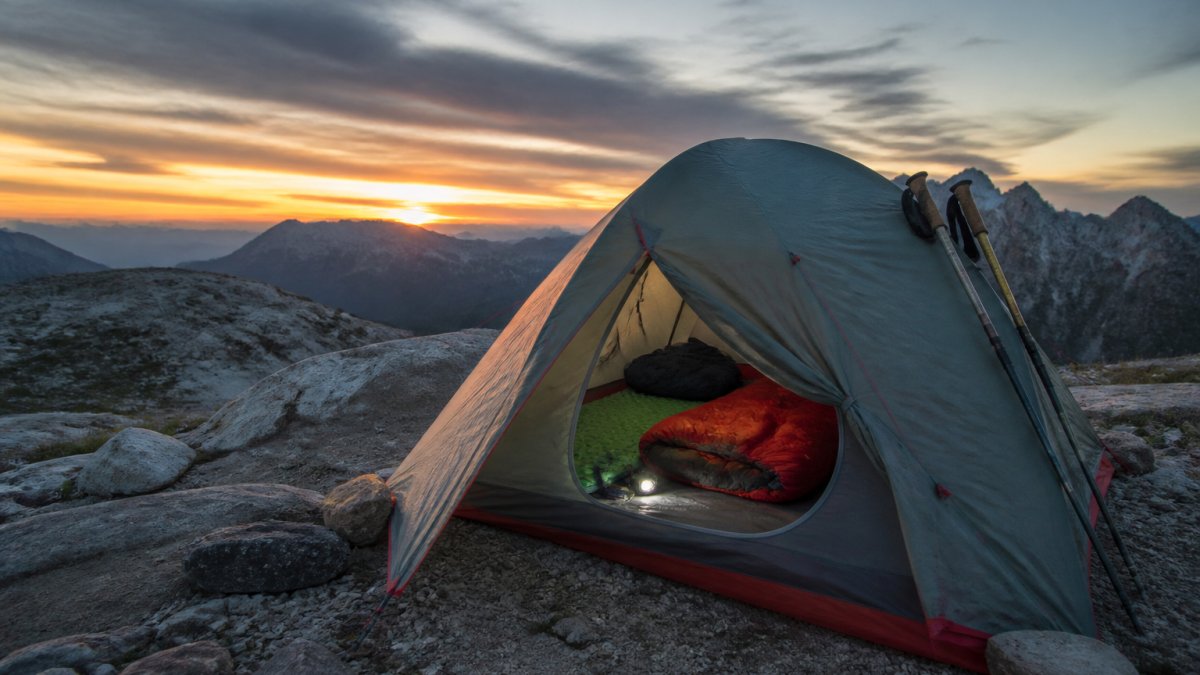
The Naturehike Star Trail EXT Ultralight Hiking Tent is a two-person, four-season shelter with a floor waterproof rating above 3000 mm.
For sleeping, the Naturehike R4.6 Insulated Sleeping Pad suits most three-season trips, while the Naturehike R5.8 Sleeping Pad adds warmth for cold-weather outings. Both use TPU nylon and inflate with an external pump.

Backpacking Cooking Gear and Water Treatment
Cooking gear and water treatment are the two systems you rely on every day. Both should be small, simple, and easy to clean.
The Widesea Portable Aluminum Camping Cookware Set nests eight pieces inside a single 640-gram hard anodized aluminum pot. A 3000W split gas burner mounts on a removable polycarbonate stand for stable flame output. The 1000 ml main pot and 600 ml lid handle meals for two, with foldable stainless utensils, a collapsing bowl, and a spice jar stored inside.
For water, carry bottles or a reservoir and treat everything you drink from a natural source. The Outdoor Nylon Water Bottle Carabiner Clips attach bottles to gear loops, belts, or straps so hydration stays within reach. Always carry a backup treatment method.
Naturehike Star Trail EXT Ultralight Hiking Tent →
Lightweight Backpacking Gear: Where Ounces Actually Matter
Lightweight backpacking gear matters most in three places: what you carry on your feet, what you sleep on, and what you wear. Cutting weight from your sleep system or footwear changes how far you can walk.
Upgrade Priorities, in Order
- Sleeping pad and bag, usually the heaviest single category, and the one with the widest spread between budget and premium options
- Footwear, where weight costs the most energy per step
- Rain shell and insulation layers, worn weight that also has to pack down small
- Trekking poles, reduce leg strain on descents and improve balance on uneven ground
- Cookware and utensils, the easiest place to shed bulk without sacrificing function
Match the Upgrade to Your Body and Trip
Weight savings are not universal. A hiker with knee pain gets more value from trekking poles and a lighter shoe than from a lighter tent. A cold sleeper gets more value from a higher R-value pad than from shaving grams off a stove.

Fit is not a luxury. A loaded pack should sit with its hip belt centered on the iliac crest, shoulder straps snug but not tight, and the sternum strap adjusted so the load does not shift when you lean forward. If the pack sags below your hips or rides above your shoulders, no weight savings will make it comfortable.
Test Before You Trust
Before any multi-day trip, run a shakedown: load the pack to trip weight, walk a few miles, and check for hot spots on your shoulders, hips, and feet. Set up your shelter once in wind, and boil a pot of water with the fuel you plan to carry. These tests catch the failures that matter, a leaking pad valve, a stove that will not light in cold, a shoe that rubs at mile eight.
Specific Lightweight Options
The OKHEALING Foldable Carbon Fiber Trekking Poles weigh 110 grams each and fold into five sections for stowage. Internal antishock springs dampen trail vibration, and carbon tungsten steel tips grip dirt, mud, and packed snow. The TrustFire MC12 Headlamp weighs 27.2 grams and runs up to 9 hours on low, with five brightness settings and IPX8 waterproofing.
3-Day Backpacking Checklist: Sizing Your Kit to Trip Length
A 3-day backpacking checklist should fit into a 50-65L pack at a base weight most hikers can carry comfortably. Trip length and resupply access decide how much food and fuel you carry, and both change your pack size more than any gear upgrade.
| Trip Length | Pack Size | Food Carry | Pad R-Value | Tent Type |
|---|---|---|---|---|
| 1-2 nights | 40-50L | 2 days | R4.6 | Three-season |
| 3 days | 50-65L | 3 days | R4.6 to R5.8 | Three-season |
| 5+ days | 65-90L | 5+ days or resupply | R5.8 | Four-season |
| Cold weather | 70-90L | Extra fuel | R5.8 | Four-season |
If you can resupply food along the route, carry less and use a smaller pack. If the route is remote, size up and accept the weight. This is the single biggest planning decision on a multi-day hike.
Conclusion: Building a Kit That Lasts
Buy the big three first, test them on short trips, and upgrade only where weight or warmth limits you.
We carry the full spread of multi-day gear in one place, from the Naturehike Star Trail EXT tent and R5.8 sleeping pad to the Widesea cookware set and TrustFire headlamp. With free shipping on all orders, you can kit out for your next trip without juggling five different carts. Get started with Prestige Outdoor Homes and build a pack that carries you further.
Frequently Asked Questions
What gear do you need for multi-day hiking?
A working kit covers six categories: a load-carrying pack with a hip belt, shelter and sleep (tent, sleeping pad, bag or quilt), water treatment and bottles, cooking gear, layered clothing with rain protection, and safety items like a headlamp, first aid kit, and repair kit. Fit matters as much as the list. A 70L to 90L pack with a padded back panel and stabilizing waist belt moves weight onto your hips instead of your shoulders, which is what keeps you walking comfortably on day three.
How do you choose a backpack for a multi-day hike?
Match pack capacity to trip length and resupply access first. A 3-day trip with no resupply usually needs 60L to 70L; longer or colder trips push toward 90L. Then check the carry system: padded shoulder straps, a chest harness, and a waist belt that transfers load off your spine. External attachment loops let you lash trekking poles or a folded tent to the frame instead of cramming them inside.
What should be on a backpacking gear checklist?
Start with the big three: shelter, sleep system, and pack. Add water treatment, a stove and cookware, fuel, food storage, layers including a wool base layer, rain protection, and a pack cover. Then the small items that ruin trips when missing: headlamp with spare batteries, navigation (map plus GPS), first aid, emergency supplies, and a repair kit. Weigh everything before you leave so you know your base weight.
What to bring on a 3-day hiking trip?
For three days, plan roughly 1.5 to 2 kg of food per day, two liters of water capacity with a treatment method, and clothing you can layer rather than duplicate. One sleep system, one shelter, one cooking setup. Add a headlamp with a rechargeable battery, a small repair kit, and a first aid kit sized to your group. Pack for the coldest and wettest conditions you expect, not the average forecast.
How much water should you carry on a multi-day hike?
Carry two liters at a time and treat as you go rather than hauling a full day's supply. Water weighs about one kilogram per liter, so a four-liter load adds real strain on climbs. Use a treatment method that matches your route: filtration for silty sources, chemical treatment as backup. Quick-clip bottle carriers keep hydration accessible on your pack straps so you drink steadily instead of stopping to dig through your bag.