

How to Choose Durable Camping Gear: A Buyer's Guide
Table of Contents
- What Makes Camping Gear Durable
- Durable Tent Materials and What to Look For
- Selecting a Camping Gear Buying Guide Framework
- Camping Gear on a Budget Without Sacrificing Quality
- How to Care for Camping Gear to Extend Its Life
- Testing Durability Before You Buy
- Frequently Asked Questions
Last Updated: October 19, 2026
What Makes Camping Gear Durable
Durability in camping gear comes down to three factors: the materials used, how they're assembled, and how the construction holds up under stress. Understanding these fundamentals separates gear that lasts five seasons from gear that fails after one.
At Prestige Outdoor Homes, we've helped thousands of outdoor enthusiasts build gear collections that perform year after year. The difference often comes down to knowing what to look for before you buy.
Materials That Stand the Test of Time
Material selection determines how your gear responds to UV exposure, moisture, temperature swings, and physical wear, and the best choice depends on your camping style.
Nylon fabrics dominate outdoor gear because they're lightweight, water-resistant when treated, and resist tearing. Look for high-denier nylon (grams per 9,000 meters of thread); higher numbers mean thicker, more durable fabric. Most quality tents use 210D to 300D nylon for the floor and 150D to 210D for the canopy.
Polyester resists UV degradation and maintains integrity in extreme cold better than nylon, making it ideal for heavy sun exposure. The trade-off: it's slightly heavier and less tear-resistant.
Aluminum alloy poles outperform fiberglass in nearly every measurable way: stronger, lighter, and more reliable in temperature extremes. Fiberglass poles are cheaper but bend permanently under load and become brittle in cold. A tent using fiberglass poles is a significant durability red flag.
Construction Quality and Seam Integrity
Material quality matters less than how those materials are put together. A premium fabric with poor seams fails faster than mid-range fabric with excellent construction.
Seam sealing is where most budget gear fails. Water seeps through the holes where thread punctures material, so quality tents seal seams with waterproof tape on the inside. Check descriptions for "taped seams" or "sealed seams", this isn't optional for durable gear.
Look for tight, even stitches with no gaps; loose stitching unravels under wind and weight. Box stitching (seams reinforced with an additional perpendicular line of stitches) is the mark of durable construction.
Tent corners, pole attachment points, and zipper areas experience the most strain. Quality gear reinforces these with extra fabric layers or stitching; budget gear skips this step, and those corners blow out first.
Durable Tent Materials and What to Look For
Tents are often your largest gear investment. Choosing one built to last requires understanding fabric ratings and frame design.
Fabric Ratings and Waterproofing Standards
Waterproof ratings measure how much water pressure fabric withstands before leaking, in millimeters (mm) of water column. A 1,000 mm rating means the fabric resists pressure equivalent to a 1,000 mm column of water.
For camping tents, here's what the numbers mean in practice:
- 1,000-1,500 mm: Suitable for light rain and camping in dry seasons
- 2,000-3,000 mm: Handles moderate rain and extended camping; this is the sweet spot for most three-season tents
- 3,000-5,000 mm: Designed for heavy rain, snow, and four-season mountaineering
- 5,000+ mm: Extreme weather tents for expeditions and severe conditions
The floor should always have a higher rating than the canopy. Water pools on tent floors, so they experience sustained pressure. A floor rated 3,000 mm with a canopy rated 2,000 mm is properly balanced. Reversed ratings suggest budget construction.
Breathability matters alongside waterproofing: a tent that traps body moisture condenses into puddles inside. Double-layer designs (inner mesh plus outer rainfly) let moisture escape while blocking rain. Single-layer tents are lighter but condense heavily in cold conditions.
Pole Systems and Frame Durability
Tent poles hold fabric taut and prevent collapse, so pole durability directly affects how long a tent lasts.
Aluminum alloy poles (typically 7075 or 6061 series) are the standard for durable tents: lightweight, strong, and stable in temperature extremes. A quality aluminum pole bends back to shape after stress and resists permanent deformation.
Thicker-walled poles resist bending under snow load or high wind. Look for poles listed as "rigid" or "reinforced" (1.5 mm wall thickness or greater); thin-walled budget poles (0.8-1.0 mm) bend easily and can snap under load.
Pole-to-fabric connection points are critical stress zones. Clips that slide onto poles distribute stress better than sleeves, allowing flex that prevents stress concentration; sleeve designs put all pressure at specific points, leading to tears.
The Naturehike Star Trail EXT uses aluminum alloy poles paired with a double-layer design that minimizes condensation, a smart combination for durability across seasons.

Selecting a Camping Gear Buying Guide Framework
Choosing durable camping gear means matching equipment to your actual use, not features you won't need. This framework helps you prioritize what matters.
Matching Gear to Your Camping Style and Environment
Your camping environment determines which durability features matter most; a tent that excels in the desert might fail in wet forest conditions.
Desert camping prioritizes UV resistance and ventilation: polyester holds up under intense sun, and mesh panels prevent condensation from day-night temperature swings. Breathability matters more than waterproofing.
Wet forest camping flips the priorities: high waterproof ratings (3,000+ mm) are essential, double-layer designs prevent condensation, and taped seams become non-negotiable during extended rain.
Mountain camping demands cold-weather durability: aluminum poles stay flexible where fiberglass becomes brittle, thicker fabrics resist wind abrasion, and a four-season design with reinforced stress points is worth the weight penalty.
Car camping, where weight isn't a concern, lets you prioritize comfort and longevity: heavier fabrics and more reinforcement last longer under repeated use from a single base.
Assessing Sleeping Systems for Durability
Your sleeping system (bag plus pad) must withstand compression, moisture, and repeated use, so durability means both materials and long-term performance.
Sleeping pad construction determines puncture resistance and insulation retention. Closed-cell foam is nearly indestructible but heavy; inflatables are lighter but vulnerable. Choose an inflatable with a repair kit and a protective ground sheet.
The Naturehike Ultralight Sleeping Pad with R4.6 rating uses TPU nylon construction, which resists abrasion and punctures better than cheaper vinyl materials. The higher R-value means better insulation retention over time, insulation doesn't degrade as quickly with quality materials.
Naturehike Star Trail EXT Ultralight Hiking Tent →

Sleeping bag durability depends on fill quality and fabric construction. Down lasts longer if kept dry but loses insulation when wet; synthetic recovers when wet but compresses over time. Synthetic wins for wet conditions; down wins if you store it properly.
Camping Gear on a Budget Without Sacrificing Quality
Durability doesn't require the most expensive gear; strategic choices build a durable setup without premium prices.
Where to Invest and Where to Save
Prioritize spending on gear that sees the most stress and use.
Invest in durable tents. A quality three-season tent in the $150-250 range lasts 5-10 years of regular use. A budget tent at $60-80 fails after 1-2 seasons.
The Night Cat 2-Persons Backpacking Tent at $86.99 delivers solid durability for the price. It features aluminum poles (not fiberglass), double-layer construction, and a 2,000-3,000 mm waterproof rating, everything a three-season tent needs.

Save on accessories. Cookware, storage bags, and smaller items can be budget-friendly without reliability issues. A cheap stuff sack won't fail; a cheap tent will.
Consider mid-range sleeping systems. The Naturehike Inflatable Mat with R5.8 rating costs $166.99 and balances durability with reasonable pricing. It resists punctures better than cheaper pads while costing significantly less than premium options.
How to Care for Camping Gear to Extend Its Life
Durability extends beyond what you buy to how you maintain it. Proper care turns a five-year tent into a ten-year tent.
Cleaning and Storage Best Practices
Clean your tent after each trip while dirt is loose: brush off debris and rinse with plain water (no soap) to remove salt, sand, or pollen. Dry it completely before storing, since trapped moisture promotes mold and fabric degradation.
Store tents loosely, never tightly compressed, since compression breaks down fabric fibers and weakens seams. Use a breathable mesh bag in a cool, dry place away from sunlight and heat.
Wipe down inflatable sleeping pads after use and store them partially inflated to relieve stress on seams and valves.
Store sleeping bags loosely in a large mesh bag, never the compression stuff sack. Compressed down clusters permanently lose loft; synthetic bags recover better but still benefit from loose storage.
Repair and Maintenance by Gear Type
Small repairs prevent small problems from becoming failures. A pinhole in a sleeping pad becomes a large leak if ignored. A small seam tear becomes a major rip.
If water seeps through stitching (not fabric), reseal that seam with waterproof tape.
Fabric tears need patch kits, and most quality tents include repair patches. A patched small tear lasts indefinitely; an unpatched one spreads and compromises the tent structure.
Aluminum poles sometimes crack under extreme stress. Splint a cracked pole with a repair sleeve (available in camping stores) and epoxy; it's not permanent but extends the tent's life until replacement.
Zippers freeze in cold, jam with sand, or wear out.
Testing Durability Before You Buy
You can assess durability without a season of use; physical inspection reveals construction quality and material choices.
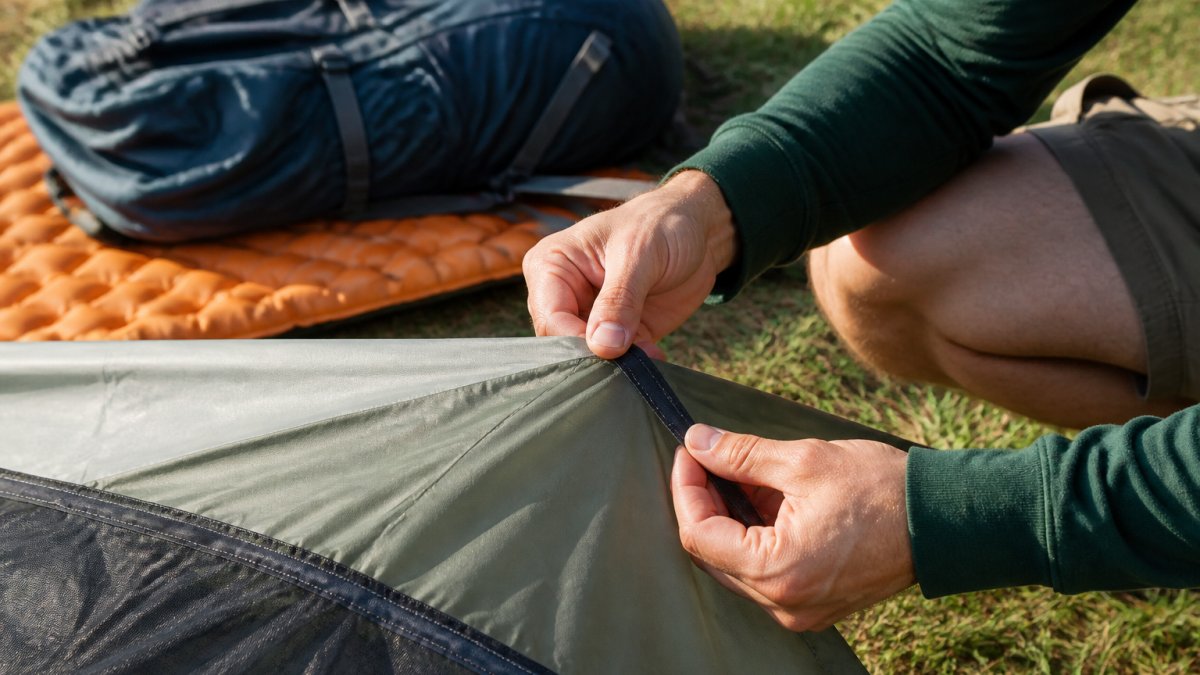
Feel the fabric between your fingers. Quality fabric resists tearing and feels substantial; cheap fabric feels thin and tears easily under light pressure.
Examine seams for taped seams, tight stitching, and reinforcement at stress points.
Bend a pole gently; it should return to straight without permanent deformation. Tap it; it should sound solid, not hollow.
Read specifications carefully. Waterproof ratings, fabric denier, pole materials, and layer design are all published. Gear that hides these specs is hiding poor choices.
Reputable brands back their gear with warranties because they're confident in durability.
Consider return policies. Prestige Outdoor Homes offers free shipping on all orders, making returns practical if gear doesn't meet expectations.
Choosing durable camping gear means understanding materials, construction quality, and how to match equipment to your actual use.
| Gear Category | Durability Priority | Budget Option | Premium Option |
|---|---|---|---|
| Tent | Highest, core infrastructure | Night Cat 2-Person ($86.99) | Naturehike Star Trail EXT ($207.99) |
| Sleeping Pad | High, frequent stress | Naturehike R4.6 ($110.99) | Naturehike R5.8 ($166.99) |
| Sleeping Bag | Medium, varies by conditions | Budget synthetic | Quality down or synthetic |
| Cookware | Low, fewer failure points | Budget stainless steel | Premium titanium |
| Backpack | Medium, impacts comfort | Budget nylon | Premium fabric with reinforcement |
Frequently Asked Questions
What should I look for in durable camping gear?
Focus on three core factors: material quality (high-denier fabrics like 210D Oxford or 190T polyester), waterproof ratings (at least 2000-3000 mm for tents), and construction integrity (sealed seams, reinforced stress points, aluminum poles over fiberglass). Check product specifications for these details before purchasing. Gear with these features typically outlasts cheaper alternatives by multiple seasons.
Which materials make camping gear last longer?
TPU nylon, 210D Oxford fabric, and aluminum alloy poles are industry standards for durability. TPU nylon resists moisture and UV damage, making it ideal for sleeping pads and tent floors. Aluminum poles flex without breaking, unlike fiberglass. For cookware and accessories, stainless steel and anodized aluminum resist corrosion. Avoid single-layer fabrics and plastic components if you plan multi-year use.
How should I care for camping gear to make it last?
Store gear dry in cool, dark spaces away from direct sunlight. After each trip, air-dry tents completely before packing to prevent mold. Clean sleeping pads with mild soap and water, then dry thoroughly. Inspect seams and zippers regularly for damage. Repair small tears immediately with patch kits to prevent spreading. Proper storage can extend gear life by 50% or more compared to careless storage.
Can camping gear be repaired instead of replaced?
Yes, most durable gear is designed for repair. Tent fabric tears can be patched, seams can be resealed, and zippers replaced. Sleeping pad punctures are fixable with repair kits. Pole damage is often repairable with splints or replacement segments. Well-constructed gear from brands like Naturehike and Night Cat uses standard components, making repairs affordable. Budget $15-50 for repairs versus $100+ for replacement.