

How to Save Time with One-Stop Shopping
Last Updated: November 12, 2026
Quick Summary
One-stop shopping saves time because buying everything you need from a single store or website cuts out the travel, parking, and checkout cycles that repeat every time you visit a separate store. One trip replaces three or four, giving you a single checkout, one delivery window, and simpler returns.
- Group your shopping list by store category so you can walk the store in one pass.
- Flag must-have items first, since an out-of-stock essential causes the most common time loss.
- Choose the destination covering the most categories, counting categories rather than items.
- Check per-store inventory online for your two or three must-have items before you drive.
- Use curbside or in-store pickup when you need items today but don't want to walk the store.
Table of Contents
- What One-Stop Shopping Means and Why It Saves Time
- Benefits of One-Stop Shopping for Busy Households
- One-Stop Shop Examples You Already Use
- One-Stop Shopping Online: Convenience and Trade-Offs
- One-Stop Shopping Advantages and Disadvantages
-
How to Plan a Time-Saving One-Stop Shopping Trip
- Step 1: Build a category map, not a shopping list
- Step 2: Separate must-haves from nice-to-haves
- Step 3: Match categories to one destination, then check the overlap
- Step 4: Check stock before you leave
- Step 5: Split online from in-person by certainty
- Step 6: Build one route and one parking spot
- Step 7: Bring a cart or wagon for the load
- A reusable checklist for your next trip
- Household-specific adjustments
- When to abandon the one-stop plan
- Build Your One-Stop Cart at Prestige Outdoor Homes
- Frequently Asked Questions
What One-Stop Shopping Means and Why It Saves Time
One-stop shopping is the practice of buying everything you need from a single store or website instead of driving between multiple locations. The time savings come from cutting out the travel, parking, and checkout cycles that repeat every time you visit a separate store.
A typical Saturday: groceries, a birthday gift, dog food, and a phone cable. Four stops means four parking lots, four checkout lines, and four trips through traffic. One store with all four items collapses that into a single loop.
A Before-and-After Shopping Scenario
Before: A household with two working adults and two kids needs groceries, school supplies, cleaning products, and a replacement cooler. That's four stores, four drives, four parking searches, four checkouts, half a day gone.
After: The same family orders groceries for delivery, then buys the school supplies, cleaning products, and cooler from one retailer that stocks all three. One order, one delivery window, one tracking number.
Benefits of One-Stop Shopping for Busy Households
The biggest benefit is mental: fewer stops means fewer decisions to track, not juggling four store hours, four return policies, and four loyalty accounts.
- Less travel time. One trip replaces three or four.
- One checkout. A single payment instead of repeated card swipes.
- One delivery window. Consolidated purchases arrive together.
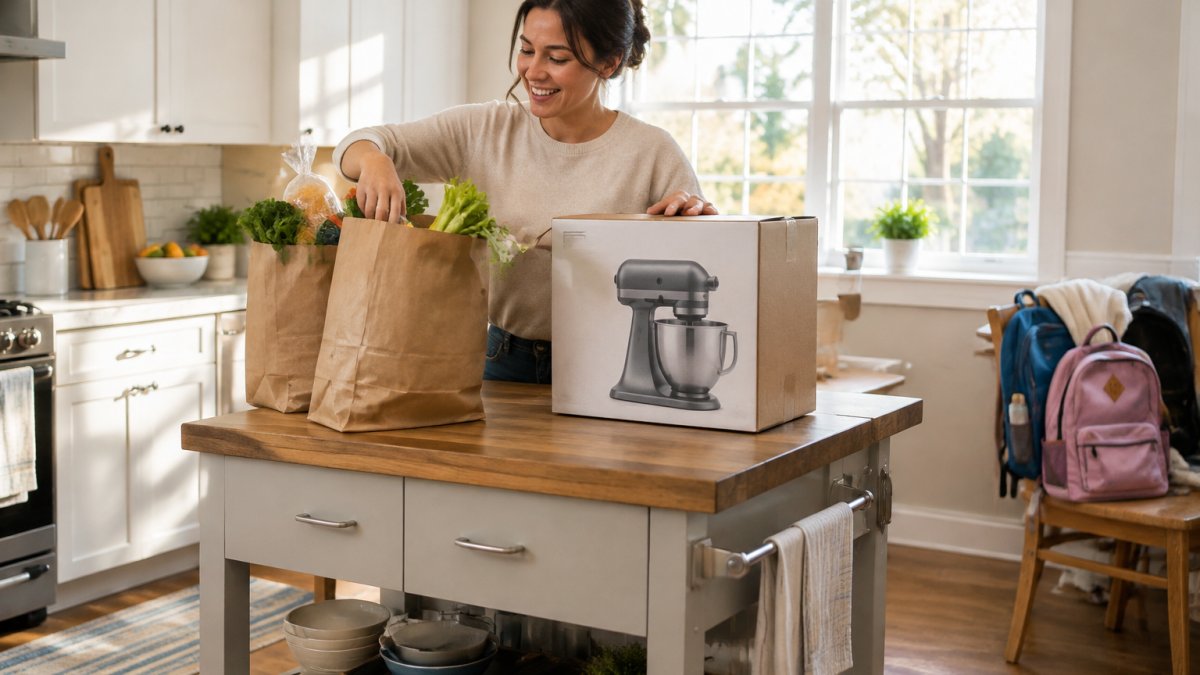
A rolling kitchen island with storage, a power outlet, and a drop-leaf counter shows how consolidating gear in one spot cuts back-and-forth inside the home too. Prestige Outdoor Homes carries a 60-inch mobile kitchen island that combines drawers, a spice rack, and a trash cabinet in a single unit.
One-Stop Shop Examples You Already Use
- Superstores that stock groceries, electronics, pharmacy items, and clothing under one roof.
- Online marketplaces where a single cart covers household goods, tools, and gifts.
- Warehouse clubs built entirely on the bulk one-stop model.
If you've been weighing alternatives to a familiar outdoor retailer, our breakdown of the best Sierra Trading Post alternatives covers how different one-stop destinations compare on selection and category range.
One-Stop Shopping Online: Convenience and Trade-Offs
Online one-stop shopping removes the parking lot, aisles, and checkout line, but it doesn't remove time, it moves time to the screen and the delivery window. Whether that trade saves you time depends on how you use it.
Where online one-stop shopping actually saves time
- You already know the exact item. Reordering a known brand, size, or model takes minutes online versus a full store trip.
- You are buying many small items across categories. A single cart that covers household goods, personal care, and pantry staples avoids three separate store visits.
- You are buying heavy or bulky items. Delivery removes the loading, unloading, and carrying time that a wagon or cart only partly solves.
A household ordering a week of groceries plus household goods online often spends less total time than driving to a superstore, but only when the order is planned in advance and the delivery window fits the schedule.
Where online one-stop shopping costs time
- Delivery windows constrain your day. A four-hour window can lock you at home for an afternoon. A tighter window or pickup locker often costs a small fee but returns hours.
- Substitutions create follow-up trips. Opt out of substitutions for must-have items, or choose a store that lets you approve them in real time.
- Shipping delays break the plan. A consolidated order that ships in multiple boxes can arrive on different days. Check whether the retailer ships from one warehouse or splits the order.
Watch out: a "free shipping" threshold can tempt you to add items you do not need. Meet the threshold with items already on your list, or pay the shipping fee and keep the cart honest.
The consolidation test
Before you check out online, run a simple test: will this order arrive as one delivery, on one day, with no substitutions on must-have items? If yes, online one-stop shopping is likely faster. If no, split the order by certainty, known items online, uncertain items in person, or choose pickup where you control the final selection.
Pickup as the middle path
Curbside and in-store pickup combine online ordering speed with in-person control: you order, the store picks, you drive to a reserved spot. You skip both the aisles and the delivery window.
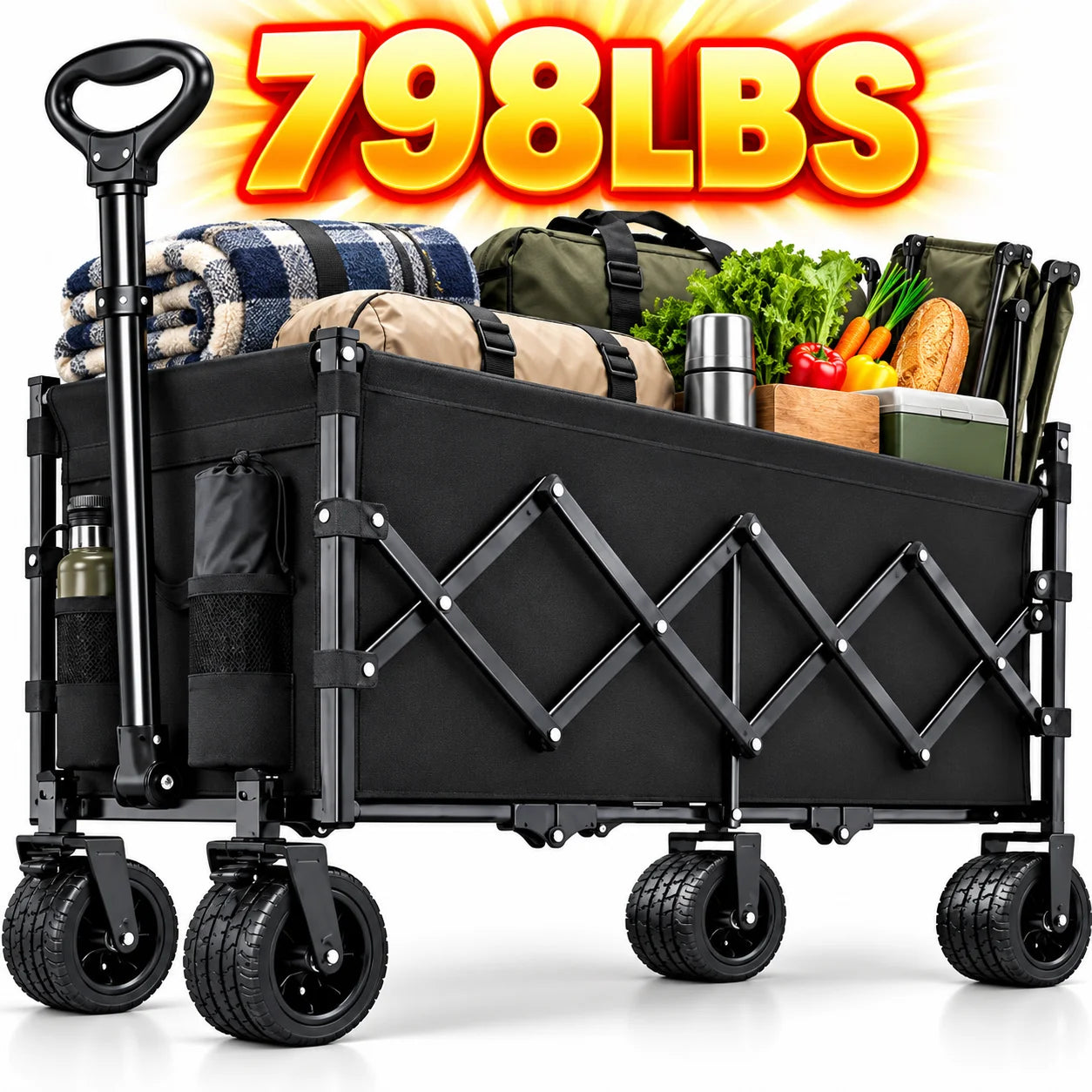
For shoppers who want a cart that handles both a grocery run and a camping haul, a heavy-duty folding wagon covers both jobs. Prestige Outdoor Homes offers a folding utility wagon built for camping and shopping with a folding frame and all-terrain wheels.
A simple decision rule
Use online one-stop shopping when items are known, non-perishable, and shippable in one box. Use in-person one-stop shopping when you need to inspect, try, or take the item home today. Use pickup when you need it today but do not want to walk the store. The time savings come from matching the method to the certainty of the purchase, not from picking one channel for everything.
One-Stop Shopping Advantages and Disadvantages
The advantages and disadvantages of one-stop shopping come down to breadth versus depth.
| Advantage | Disadvantage |
|---|---|
| Fewer trips and less travel time | Less specialist depth in any one category |
| One checkout and one delivery | Limited price competition within a category |
| Consolidated returns and support | Fewer niche or expert-only products |
| Simpler planning for busy weeks | Stock gaps on popular items |
| Lower mental effort overall | Less chance to compare in person |
When one-stop shopping does not save time:
- You need a niche product the broad retailer doesn't stock.
- You're comparing high-consideration gear and want hands-on checks.
- The single store is far away and the closer options are small.
Pick your trips by what you're buying, not by habit.
How to Plan a Time-Saving One-Stop Shopping Trip
Most guides say "make a list and go to one store", too vague to act on. A one-stop trip only saves time when you plan around the store's layout and your household's constraints.
Step 1: Build a category map, not a shopping list
Write down every item you need, then group it by department or category: refrigerated, pantry, household chemicals, personal care, outdoor gear, home goods. One-stop stores are organized by category, so a category-sorted list lets you walk the store in one pass instead of backtracking.
Step 2: Separate must-haves from nice-to-haves
Flag the items that would force a second trip if missing: prescriptions, a child's school supply, the one part that makes a camping stove work. Everything else can wait. This single step prevents the most common time loss in one-stop shopping, arriving home to discover the one item you actually needed was out of stock.
Step 3: Match categories to one destination, then check the overlap
Find the destination covering the most categories. A superstore may cover groceries, pharmacy, and household goods but not outdoor gear; a warehouse club may cover bulk groceries and home goods but not specialty camping equipment.
Watch out: a store that covers every category on paper may still have long aisles, crowded departments, and checkout lines that erase the savings.
Step 4: Check stock before you leave
Most large retailers show per-store inventory online. Confirm the two or three must-have items are in stock at your chosen location. If a must-have is out, either substitute it or move that category to a second stop, but decide before you drive, not in the aisle.
Step 5: Split online from in-person by certainty
Order online anything you already know the exact model, size, or brand of; reserve the in-person trip for items you need to see, touch, or try. This is the single biggest time lever in one-stop shopping.
Step 6: Build one route and one parking spot
If you are visiting more than one store, order them by geography and park once in a central spot if the stores share a lot. Plan the loop so the last stop is closest to home.
Step 7: Bring a cart or wagon for the load
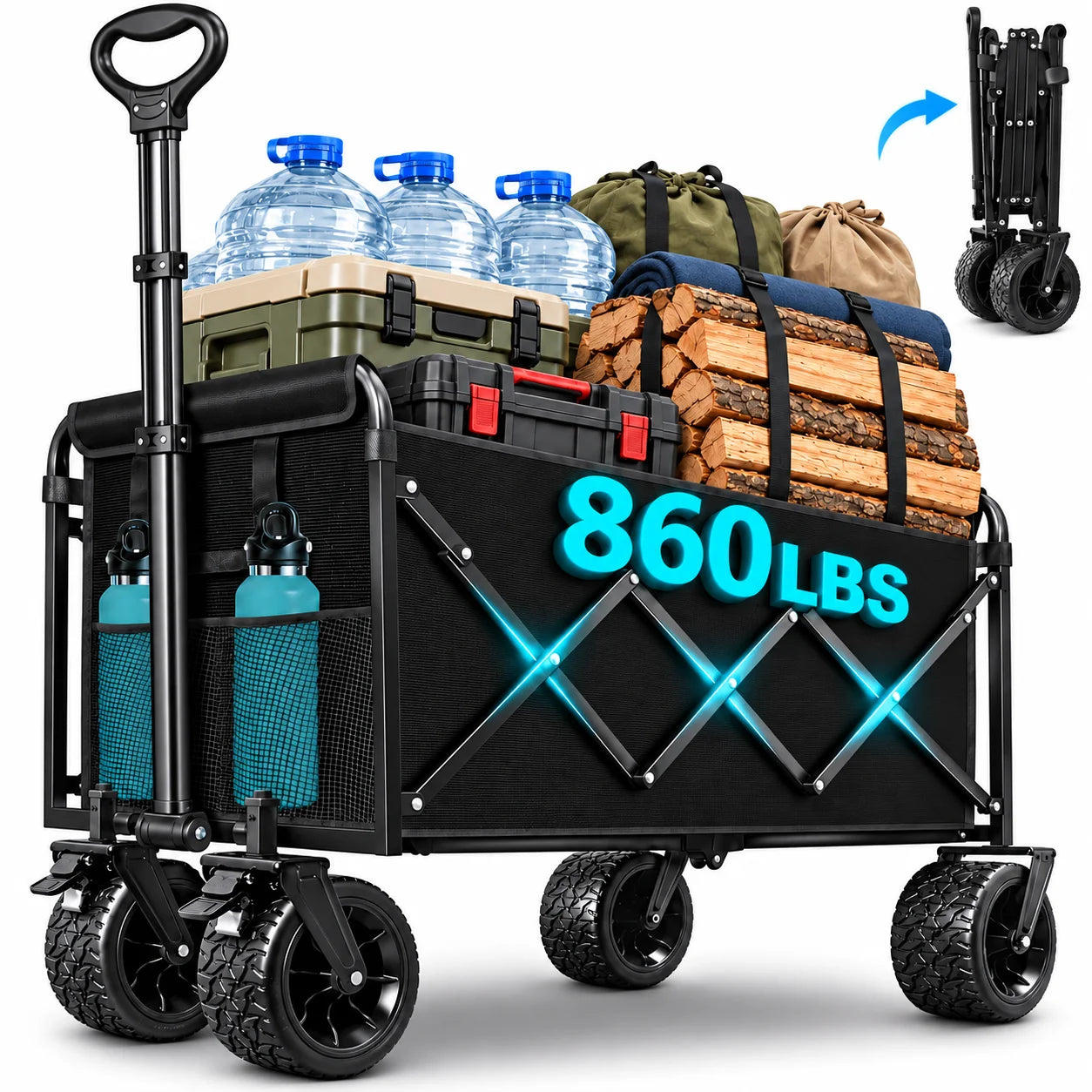
This is where most people lose the time they saved. Multiple trips from car to kitchen turn one errand into three; a folding utility wagon or rolling cart turns three armloads into one.
Prestige Outdoor Homes sells an all-terrain folding utility wagon with a reinforced steel frame and wide wheels.
A reusable checklist for your next trip
- Full list written, grouped by category
- Must-have items flagged
- One destination confirmed to cover most categories
Household-specific adjustments
- Caregivers shopping for others should build the list around the person's prescriptions, dietary needs, and mobility aids first, then fill in household goods. A caregiver shopping for two households can often consolidate by ordering the second household's standard items online for delivery.
- People with mobility limitations should prioritize stores with curbside pickup, motorized carts, and short walks from parking. A one-stop store with curbside service can save more time than a closer store without it.
- Families with young children should plan around store quiet hours and avoid the after-work and weekend midday peaks. A trip that takes 40 minutes on a Tuesday morning can take twice as long on a Saturday afternoon.
When to abandon the one-stop plan
- A must-have item is out of stock at the one-stop destination and a nearby specialist has it.
- The one-stop store is significantly farther than two closer stores combined.
- You are buying a high-consideration item that needs hands-on comparison.
The goal is fewer trips, not a perfect single trip. A two-stop plan that avoids a 30-minute drive is still a time-saving plan.
Build Your One-Stop Cart at Prestige Outdoor Homes
Most retailers force a choice: the outdoor store for gear, then the home store for everything else.
Our catalog covers camping gear, fitness equipment, home living, and wellness accessories in one place.
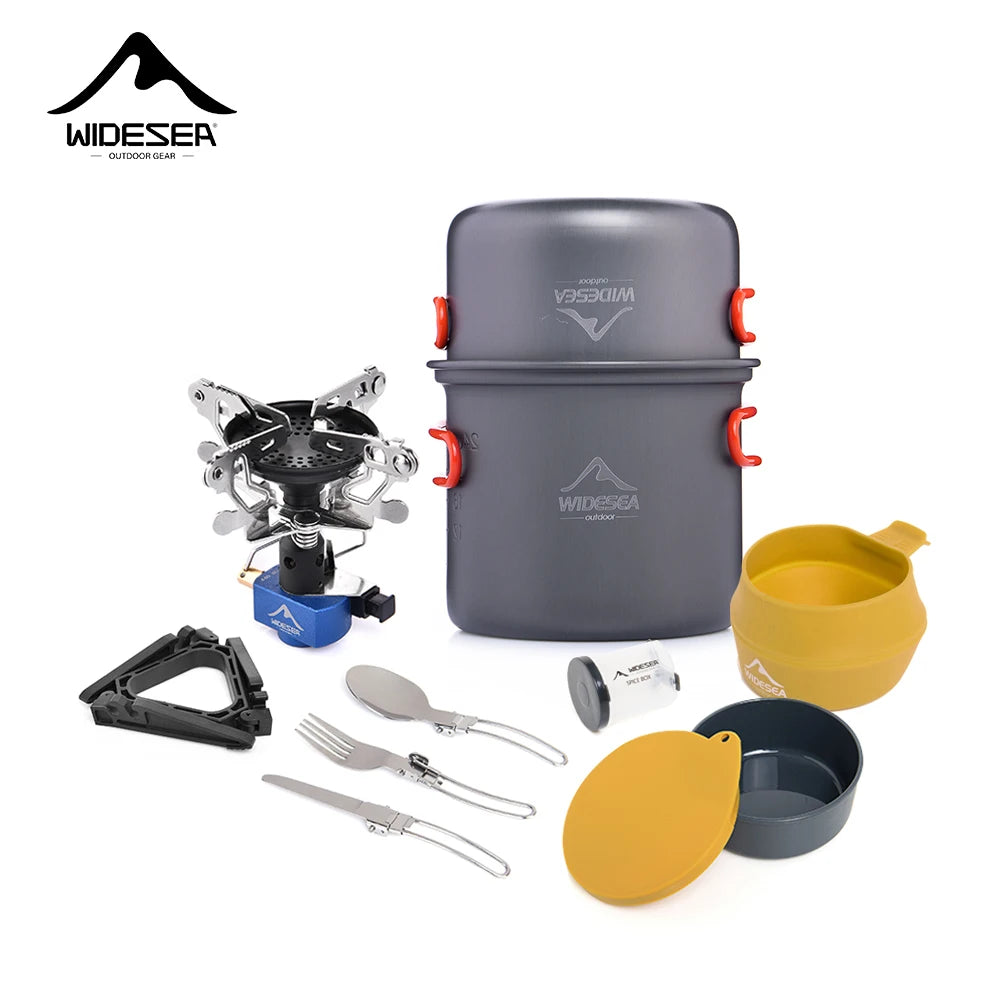
- A portable aluminum camping cookware set at $41.99 nests eight essential kitchen pieces inside a single 640 gram hard anodized aluminum pot.
- A heavy-duty folding wagon at $88.99 helps you move your camping gear in one trip.
- A mobile kitchen island at $333.99 consolidates kitchen storage at home.
Before a full trip, our guide to weekend camping gear lists what a complete kit needs.
The real challenge isn't finding a store with everything.
Frequently Asked Questions
How does one-stop shopping save time?
One-stop shopping saves time by removing the travel, parking, and checkout cycles that come with visiting multiple stores. You make one trip, park once, and move through a single checkout. Planning also gets faster because you build one list instead of coordinating several. The mental effort of tracking orders, returns, and delivery windows drops too, since everything sits in one account or one cart.
What are some one-stop shop examples?
Common one-stop shop examples include warehouse clubs that sell groceries and electronics, big-box retailers with pharmacy and auto centers, and online marketplaces that bundle gear, home goods, and fitness equipment. Specialty retailers that expand into related categories also qualify. Prestige Outdoor Homes is a one-stop shop for outdoor and home needs, carrying camping cookware, folding utility wagons, and mobile kitchen islands in one store.
Is one-stop shopping always faster than visiting multiple stores?
No. One-stop shopping can lose time when the single store lacks the specific item you need, forcing a second trip anyway. It also slows down when a large store's layout sends you across the building for related items, or when online orders arrive in separate shipments. Compare the total trip, including returns and delivery waits, before assuming consolidation wins.
What are the disadvantages of one-stop shopping?
The main disadvantages are less specialization and weaker price competition on individual items. A store that stocks everything may carry a shallow range in each category, so serious users can miss out on tactical-grade or niche gear. Consolidation can also tempt you to buy more than planned. Weigh these trade-offs against the time savings, and split your shopping only when a category demands real depth.
Prestige Outdoor Homes product prices
