

What Gear Do You Need for a Weekend Camping Trip in 2026?
Last Updated: November 8, 2026
Quick Summary
Essential weekend camping gear fits into seven core categories: shelter, sleep, lighting, kitchen, food and water, clothing, and safety and hygiene. Pack for two nights only, with one full day of activity and roughly four meals, so every item earns its place in your pack.
- A two-person tent for two people is the practical maximum, not the minimum.
- Target a packed weight under about 4 lbs for a two-person backpacking shelter.
- Choose a pad R-value of R-3 to R-4 for three-season weekend nights.
- Carry at least one gallon of water per person per day for drinking and cooking.
- Build a permanent always bag with a headlamp, batteries, lighter, first-aid kit, and trash bag.
Table of Contents
- Why Weekend Camping Gear Follows Different Rules
- Shelter: Tent, Stakes, Poles, and Footprint
- Sleeping Gear: Bag, Pad, Cot, and Pillow
- Lighting, Cooking, Food, and Water
- Clothing, Footwear, Hygiene, and Safety Extras
- Your Camping Equipment List: The Seven Core Categories
- What to Pack for a Two-Night Camping Trip
- Most Forgotten Camping Items (and How to Catch Them)
- Frequently Asked Questions
Why Weekend Camping Gear Follows Different Rules
Essential weekend camping gear is a smaller, lighter kit than a thru-hiker's loadout and a tougher kit than a backyard sleepover.
Customers often ask what to buy before their first trip, and the answer is usually less than they expect.
Why weekend packing is different: every item must earn its place in a pack you carry from car to site, and it must survive one cold night without backup.
Shelter: Tent, Stakes, Poles, and Footprint
The shelter decision starts with one number: how many people are sleeping in it. A two-person tent for two people is the practical maximum, not the minimum.
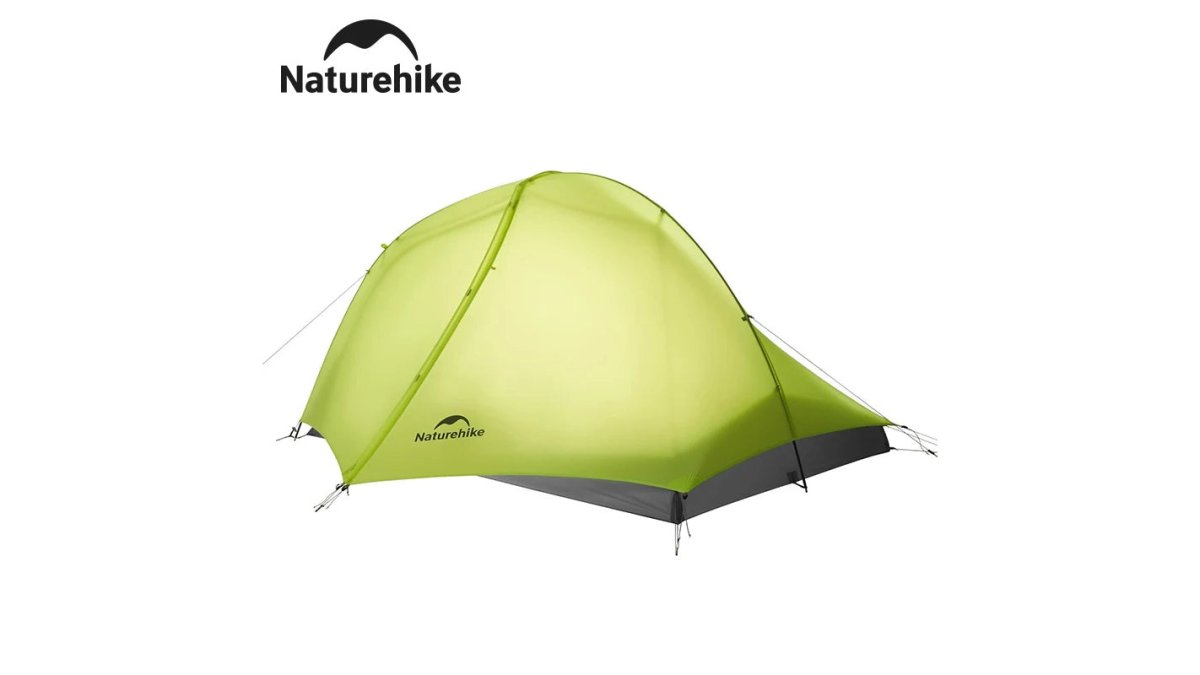
For weekend trips, look for a tent that sets up quickly and keeps ground moisture out. The Naturehike Star Trail EXT Ultralight Hiking Tent is a two-person ultralight tent with a floor waterproof rating exceeding 3000 mm, rigid aluminum alloy poles, and durable nylon shells built for rugged trekking routes.

Match the Shelter to Your Weekend, Not to a Catalog
A weekend tent is not one product; it is a decision that changes with how you arrive and where you sleep. Use these three profiles to narrow the field before you shop:
- Car camping at an established campground: weight and packed size barely matter, so prioritize interior height, a full-coverage rainfly, and a bathtub floor. A heavier, roomier dome tent is the better weekend buy; you are carrying it 30 feet, not 3 miles.
- Backpacking to a dispersed site: target a packed weight under about 4 lbs for a two-person shelter and accept a smaller footprint. A trekking-pole or semi-freestanding design saves weight but demands practice pitches at home.
- Three-season versus shoulder-season: a mesh-heavy summer tent vents condensation but cuts wind protection. For late fall or early spring, choose a solid inner wall or a fly that reaches the ground.
What to Look For in a Weekend Tent
- Floor waterproofing: above 3000 mm blocks ground moisture through a wet night; below 2000 mm, expect seepage when the ground is saturated.
- Poles: aluminum alloy beats fiberglass for durability and repair. Carry a splint or repair sleeve; a broken pole mid-trip is a shelter emergency.
- Stakes: replace flimsy wire stakes with aluminum or steel, and carry four spares. Long Y-beam stakes for sand and loose soil, short shepherd's hooks for firm ground.
Watch out: skipping the footprint to save weight can be a false economy, since a punctured tent floor can end a trip early.
Packed Size and Transport Trade-Offs
For car camping, packed size is a comfort question: a duffel-style tent bag with a wide opening beats a tight stuff sack you have to wrestle in the cold. For backpacking, measure packed dimensions against your pack's interior before you buy, a tent that fits only diagonally wastes space you need for food and insulation. A common weekend pattern is splitting the shelter: one person carries the tent body, the other the fly and poles.
A Weekend Shelter Setup Sequence
- Scout the site first. Look up for dead limbs, down for roots and standing water, and note wind direction. Pitch with the low end into the wind.
- Lay the footprint, then the tent body. Stake corners loosely, then tension the body before adding the fly.
- Attach the fly and stake out the vestibules. A fly that touches the inner wall wicks condensation inside; keep a gap.
- Guy out the windward side. Two extra guy lines make a marginal tent handle a real storm.
- Do a shake test. Push on the walls; if the tent deforms easily, re-tension before dark.
Sleeping Gear: Bag, Pad, Cot, and Pillow
Sleep is the gear category weekend campers most often get wrong. Match your sleeping bag's temperature rating to the nighttime low, then add a pad with real insulation. A bag rated for 30°F on a 40°F night is comfortable; the same bag on a 25°F night is a cold, sleepless mistake.
The Naturehike Ultralight Sleeping Pad Insulated Inflatable Sleeping Pad R4.6 is an insulated inflatable pad with an R4.6 rating and TPU nylon material. If you prefer a thicker, raised surface, the Built In Pump Inflatable Camping Mattress inflates with an integrated pump. A camp pillow and a bag liner round out the kit; a liner adds warmth and keeps the bag clean.

The Two Numbers That Decide Your Night
Weekend sleep comfort comes down to two ratings, and most beginners only know one of them:
- Bag temperature rating: the number on the bag is a survival rating, not a comfort rating. Bag ratings vary by manufacturer, so check the rating against the forecast low before you pack.
- Pad R-value: the pad insulates you from the ground, which steals heat faster than air. R-2 is fine for warm summer weekends; R-3 to R-4 handles three-season nights; R-5 and up is for freezing conditions. A high-quality bag on an uninsulated air pad is a cold night, full stop.
Bag, Quilt, or Cot: Match the Sleep System to the Trip
- Sleeping bag: the default for weekend camping. A mummy bag saves weight and traps heat; a rectangular bag gives more room and suits side sleepers. For car camping, a rectangular bag rated near the forecast low is the low-stress choice.
- Backpacking quilt: lighter and more packable than a bag, but requires a pad with a strap system and a hooded layer or warm hat.
- Cot: the comfort winner for car camping, especially for anyone who struggles to get up from the ground. It adds bulk and weight and needs a pad on top in cool weather, a car-camping tool, not a backpacking one.
Pillows, Liners, and the Small Stuff
A camp pillow is worth the few ounces; a stuff sack filled with a spare fleece works, but a dedicated inflatable or compressible pillow sleeps noticeably better. A bag liner adds warmth, keeps the bag clean, and doubles as a light blanket on warm nights.
Watch out: inflating an air pad by mouth on a cold, humid night pushes moist air inside, where it condenses and can freeze or mold.
Packed Size and Weight Trade-Offs
For car camping, bring the comfortable, heavier sleep system: a rectangular bag, a thick pad, a real pillow, and a cot if you like. For backpacking, the sleep system is usually the second-heaviest item after the shelter, so choose a mummy bag plus an insulated air pad. A common weekend pattern is one sleep system for car trips and a separate, lighter one for backpacking weekends.
A Two-Minute Pre-Trip Sleep Check
- Read the forecast low, not the daytime high. Pack to the low.
- Confirm the pad's R-value matches the season, and bring a foam sit pad as cheap insurance under your hips.
- Test-inflate the pad at home. A slow leak discovered at 11 p.m. at camp is a lost night.
- Pack a dry sleep layer in a stuff sack, out of the tent floor puddle zone.
- Bring earplugs and an eye mask. Weekend campgrounds are loud and bright; sleep quality is gear, too.
Lighting, Cooking, Food, and Water
Three systems keep a campsite running after dark: light, heat, and clean water. Get all three right and the trip feels easy. Get one wrong and every meal becomes a negotiation.
Lighting: Headlamp, Flashlight, and Lantern
A headlamp is the one light you should never leave home without, because it keeps your hands free for cooking and setup. The TrustFire MC12 Rechargeable LED Headlamp runs 1000 lumens on high with a 105 m beam, recharges by magnetic USB, and is IPX8 waterproof. The Selorss Rechargeable Inflatable Camping Tent Lamp inflates in seconds, casts an even glow through a 32-inch diffuser, and hangs from its magnetic base. For a deeper comparison of handheld options, see our guide to which tactical flashlight is best for camping in 2026.
Camp Kitchen: Stove, Cookware, and Utensils
A weekend stove needs two jobs: boil water fast and simmer without scorching. The Widesea Portable Aluminum Camping Cookware Set nests eight pieces, including a 1000 ml pot, a 3000W split burner, utensils, a folding bowl, and a spice jar, inside one 640-gram anodized pot. With the stove and cookware packed together, Budget Roo Pty Ltd can help round out the rest of a weekend kit without adding weight to the cooking setup.
Clothing, Footwear, Hygiene, and Safety Extras
Clothing is a layering system, not a wardrobe: a moisture-wicking base layer, an insulating mid layer, and a waterproof shell. One spare set of socks per day matters more than a spare shirt. Footwear should be broken-in hiking boots or trail shoes with grip, plus camp shoes for the evening.
Hygiene and safety items are small but non-negotiable:
- Toiletries, a quick-dry towel, and biodegradable soap
- Sun protection and insect repellent
- A first-aid kit, a pocket knife or multi-tool, and repair tape
Pack a small repair kit too: a patch for the pad, tape for the tent, and a spare stake.
Your Camping Equipment List: The Seven Core Categories
A workable camping equipment list fits on one page and groups into seven categories. Use this as your master checklist and check items off as they go into the pack.
| Category | Core Items | Weekend Priority |
|---|---|---|
| Shelter | Tent, stakes, poles, footprint | High |
| Sleep | Bag, pad, pillow, liner | High |
| Lighting | Headlamp, lantern, spare batteries | High |
| Kitchen | Stove, fuel, cookware, utensils | High |
| Food and water | Cooler, water bottle, treatment | High |
| Clothing | Layers, boots, camp shoes, rain shell | Medium |
| Safety and hygiene | First-aid kit, multi-tool, toiletries, sun and bug protection | High |
Beyond these seven, comfort items like a camp chair and a small table earn their place if you have room. The Vevor Portable Camping Folding Chair has padded lumbar support and side pockets for holding small items.
What to Pack for a Two-Night Camping Trip
What to pack for a two-night camping trip comes down to quantities, not categories. Two nights means two breakfasts, two dinners, one lunch, and snacks.
Water is the item people underestimate. Carry at least one gallon per person per day for drinking and cooking, plus a treatment method for refills.
Pack by weight, not by volume: heaviest items against your back, lightest at the bottom.
Most Forgotten Camping Items (and How to Catch Them)
The most forgotten camping items are almost always the small, cheap ones: stakes, batteries, a lighter, toilet paper, and a trash bag. They're forgotten because they live in a drawer, not in the pack.
Build a permanent "always bag" that never gets unpacked, stocked with a headlamp, spare batteries, a lighter and matches, a small first-aid kit, repair tape, and a trash bag.
Two nights in the woods shouldn't require a spreadsheet and three shopping trips. The right kit is smaller than most people think, and it's the one you can carry, trust, and repack without stress. Prestige Outdoor Homes carries the shelter, sleep, lighting, and cooking gear that makes a weekend trip work, with free shipping on every order and a one-stop shop for both trail and home.
Frequently Asked Questions
What are the must-haves for weekend camping?
Seven categories cover a two-night trip: shelter (tent, stakes, poles, footprint), sleep gear (bag, pad, pillow), lighting, cooking equipment, food and water, clothing and footwear, and a small safety kit. If you can sleep warm, eat hot, and see after dark, the trip works. Everything else is comfort. Build the list around those seven and you will not forget the load-bearing items, even when packing in a hurry.
What should I pack for a two-night camping trip?
Pack two days of meals plus one backup meal, two sets of clothing with an extra base layer, and one full water supply with a treatment backup. For sleep, bring a bag rated about 10 degrees below the forecast nighttime low, plus a pad rated for the shoulder season. Add a headlamp with spare batteries, a stove and fuel, and a small repair kit. Two nights means one resupply is unnecessary, so pack exactly what you will use.
What is the most forgotten item when camping?
Sleep insulation and lighting top the list: people remember the tent but forget that the ground pulls heat all night, or they pack a lantern and leave the headlamp at home. Other frequent misses include tent stakes, a can opener, toilet paper, and a lighter backup. Run a full dry-run setup at home a week before the trip. Anything you reach for during that test belongs on the packing checklist.
How do I make a camping checklist I will actually use?
Group items by the seven core categories, not by where they live in your house. Print the list, laminate it, and check items off with a dry-erase marker as they go into the bin. Add a column for what you did not use, then delete it next trip. A camping checklist PDF you can reprint and mark up beats an app you have to unlock with cold hands at the trailhead.
What is the 3-3-3 rule for camping?
The 3-3-3 rule is a planning habit: arrive at camp three hours before dark, plan for three days of self-sufficiency, and carry three ways to make fire or light. It is a rough guideline, not an official standard, but it works because it forces you to think about setup time, backup systems, and darkness. For a weekend trip, the three-hour setup window alone prevents most first-night mistakes.
